Microsoft’s latest financial results offer more than a snapshot of strong cloud growth. They also point to a shift CIOs, IT Procurement, and Software Asset Management teams need to prepare for: Microsoft spend is becoming increasingly tied to consumption, AI, and agents.
In FY27 Q1, Microsoft Cloud revenue reached $63.9bn, while Azure revenue grew 48% year on year. Microsoft defines Azure revenue as including cloud and AI consumption-based services, while its Microsoft 365 commercial cloud business now includes Microsoft 365 Copilot, GitHub Copilot, Agent 365 and Security Copilot. [microsoft.com]
At the same time, Microsoft’s Copilot Studio commercial model shows how AI economics can differ from traditional software licensing. Copilot Credits measure agent usage, with consumption depending on the agent, how often it is used, and the capabilities it calls upon. [learn.microsoft.com]
For CIOs, AI adoption and cost management need to move together
AI agents can create significant opportunities, but the commercial model means organizations need to think about cost differently.
The traditional question of “How many licenses do we need?” increasingly sits alongside new questions: How much will we consume? Which AI use cases will scale? And how do we know whether growing consumption is delivering sufficient business value?
That makes visibility across licensing, Azure and AI increasingly important. Livingstone's Microsoft Investment Optimization approach helps organizations improve visibility across their Microsoft estate, reduce unnecessary spend, and prepare for future commercial decisions.
For Procurement, forecasting becomes harder
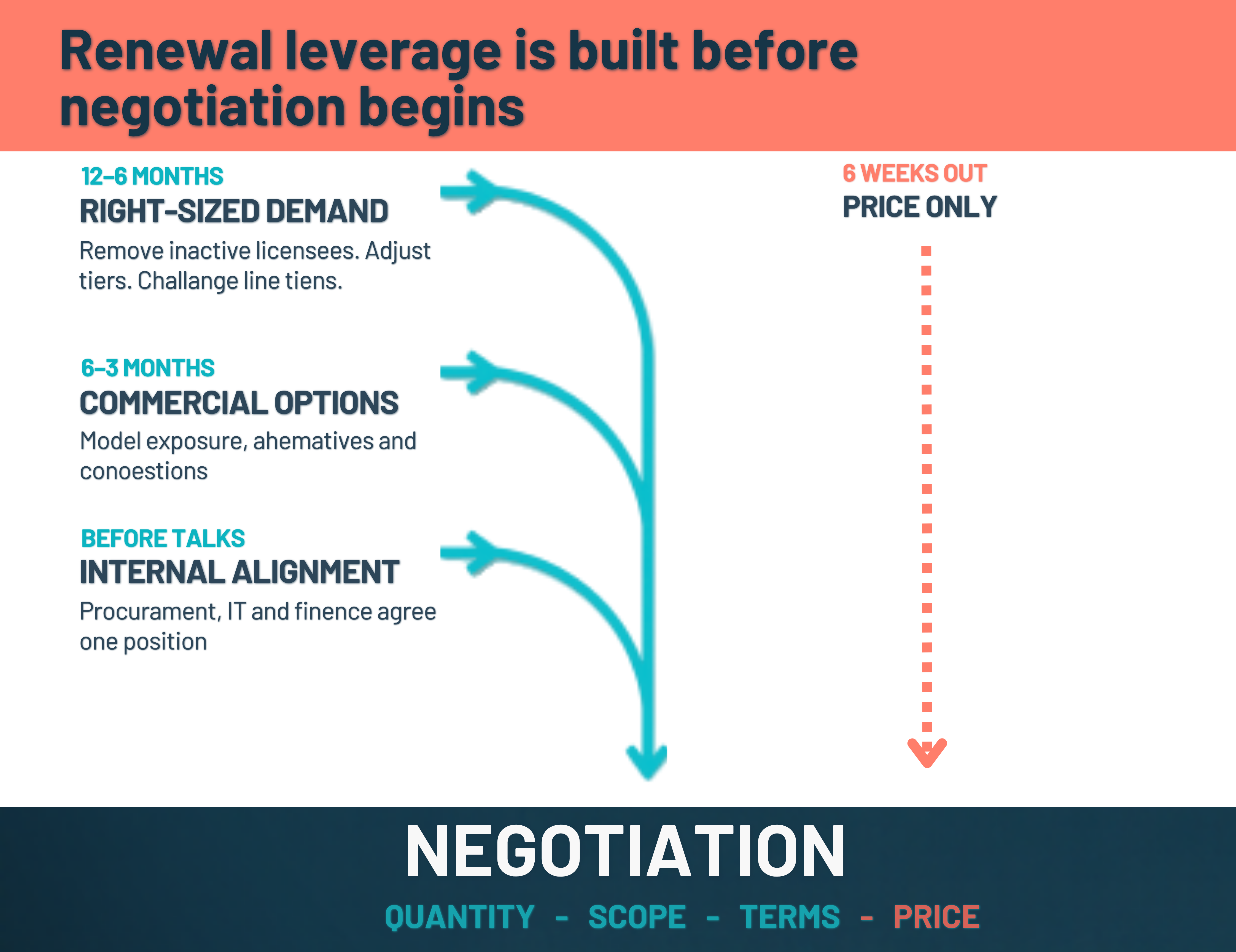
Consumption introduces another variable into an already complex Microsoft commercial environment. Procurement teams need to understand not only current demand, but what future Azure, Copilot and agent adoption could mean for commitments and negotiations.
That makes independent benchmarking, demand analysis, and optimization important before teams make commercial commitments. Livingstone's Microsoft Optimization & Negotiation service focuses on validating usage and entitlements, benchmarking agreements, and challenging AI-related upsells before value is realized.
For SAM teams, the remit is getting broader
For SAM leaders, this further indicates that managing Microsoft can no longer stop at software license compliance.
The discipline increasingly needs to connect entitlements, actual usage, cloud consumption, AI adoption, contracts and commercial outcomes. Livingstone describes its Microsoft managed service as covering licensing advice, user profiling, Azure and Microsoft 365 optimization, audit and true-up support, and mid-term negotiation.
Optimize before consumption accelerates
The opportunity AI presents is significant, but so is the potential for complexity.
For CIOs, Procurement and SAM leaders, the goal shouldn't be to slow adoption. It should be to ensure the organization can see what it buys, understand what it consumes, and continually test whether that investment delivers value.
That is where Microsoft optimization is changing too: from optimizing a license position at renewal to continuously managing the value of the entire Microsoft investment.
Livingstone helps organizations reduce waste, improve visibility, and strengthen their commercial position across Microsoft licensing, Azure, and AI.
Is your Microsoft strategy ready for consumption-based AI? Explore Livingstone’s Microsoft Investment Optimization services